Hair loss is one of the most emotionally difficult side effects of chemotherapy. For many women, it signals a visible, unavoidable shift in identity at an already overwhelming time. A wig can restore a sense of normalcy, confidence, and control, but the cost of wigs can feel like yet another burden layered on top of treatment expenses.
The good news: quality, comfortable wigs do not have to cost a fortune. With the right information, it is entirely possible to find a wig that looks natural, fits well, and stays within a tight budget.
October is Breast Cancer Awareness Month, a time when the breast cancer community comes together to raise awareness, share resources, and support those in treatment. This guide is written in that spirit. Whether you are shopping for yourself or someone you love, here is everything you need to know about finding an affordable wig during chemotherapy, from budget tiers and comfort criteria to financial assistance programs and practical shopping tips.
For those seeking affordable wigs for chemotherapy patients, understanding your options can make a significant difference.
Why Cost Matters More Than You Think
The financial toll of a cancer diagnosis extends far beyond treatment itself. According to the American Cancer Society, out-of-pocket costs for cancer patients can reach thousands of dollars annually, even with insurance. Wigs, scarves, and head coverings are rarely the top budget priority, which means many patients end up with uncomfortable or ill-fitting options simply because they did not know better alternatives existed.
If you’re looking for affordable wigs for chemotherapy patients, consider exploring various online retailers that specialize in budget-friendly options.
Wigs marketed specifically as “medical” or “chemo wigs” can carry significant price premiums. Human hair wigs, while beautiful, often start at $300 and climb well past $1,000. The reality is that a well-constructed synthetic wig in the $50 to $150 range can look just as natural and be far more practical for daily wear during treatment.
The key insight: price does not determine comfort or appearance. Construction quality, cap design, and fiber type matter far more than the dollar amount on the tag.
A few factors that genuinely affect how a wig performs during chemotherapy:
Cap construction: a softer, open-wefted cap reduces scalp irritation
Fiber quality: heat-friendly synthetic fibers hold their style longer with less effort
Weight: lighter wigs cause less fatigue during long wear
Fit adjustability: most affordable wigs include adjustable straps to accommodate a sensitive scalp
Budget Tiers: What to Expect at Every Price Point
Understanding what different price ranges actually deliver helps set realistic expectations and prevents buyer’s remorse. Here is a practical breakdown:
| Price Range | What You Get | Best For |
|---|---|---|
| Under $50 | Basic synthetic cap, limited styles, shorter lifespan | Short-term use, backup wig, trying a new style |
| $50 to $100 | Better fiber quality, more natural movement, adjustable cap | Everyday wear, most chemotherapy patients |
| $100 to $150 | Heat-friendly fibers, realistic hairlines, monofilament options | Longer treatment periods, higher-confidence occasions |
| $150 to $300 | Premium synthetic or blended fibers, hand-tied caps | Extended wear, special events |
| $300+ | Human hair or high-grade Remy synthetic | Maximum realism, long-term investment |
For most chemotherapy patients, the $50 to $150 range is the sweet spot. Wigs in this tier are constructed well enough for daily wear, comfortable against a sensitive scalp, and available in a wide range of styles and colors.
What “Affordable” Actually Looks Like
The word “affordable” gets used loosely in wig marketing. A realistic benchmark for chemotherapy patients shopping on a budget:
Under $75: achievable for short styles and classic cuts in synthetic fiber
$75 to $125: the most options open up here, including longer styles and rooted colors
Around $150: you start seeing monofilament caps and more natural-looking hairlines
One practical tip: shorter styles almost always cost less than longer ones, and they also tend to be cooler and lighter during treatment, which many patients prefer.
Comfort First: What Chemotherapy Patients Should Look For
During chemotherapy, the scalp becomes more sensitive than usual. A wig that feels fine on a healthy scalp can feel scratchy or heavy during treatment. Comfort criteria deserve just as much attention as style and price.
Cap Features That Make a Real Difference
Open weft construction: allows airflow, reduces heat buildup, and feels lighter against the scalp
Soft inner lining: look for caps with a velvet or cotton inner band rather than raw elastic
Adjustable straps: essential for a secure fit as head circumference can change during treatment
Monofilament top: a thin, skin-like layer at the crown that allows the hair to move naturally and reduces the appearance of a wig
Weight and Wearability
Fatigue is a common side effect of chemotherapy, and a heavy wig adds to that physical burden. Shorter synthetic styles typically weigh less than longer ones and require less maintenance, which matters on low-energy days.
Tip from patients: Many women undergoing chemotherapy prefer styles that sit slightly away from the nape of the neck. This reduces heat and irritation during longer wear.
Sizing and Fit
Most wigs are designed for an average head circumference of about 21.5 to 22.5 inches. If you are between sizes or your head circumference shifts during treatment, look for wigs with at least two adjustment points. A proper fit prevents slipping and reduces the need to constantly readjust throughout the day.
Financial Help Is Available: Insurance, Aid, and Free Wig Programs
Many patients do not realize that help paying for a wig is often available. Before spending out of pocket, it is worth exploring every avenue.
Insurance Coverage
Some health insurance plans cover wigs as a “cranial prosthesis” when prescribed by a physician. Coverage varies widely by plan and state, but it is worth asking your oncologist to write a prescription specifically using the term “cranial prosthesis” rather than “wig.” This language is more likely to trigger coverage.
Check your plan’s durable medical equipment (DME) benefits
Ask your oncology social worker or patient navigator to help with the claims process
Keep all receipts; even partial reimbursement reduces your out-of-pocket cost
Nonprofit and Charitable Programs
Several national organizations provide free or subsidized wigs to cancer patients:
American Cancer Society’s “tlc” program: offers affordable wigs, hats, and accessories specifically for cancer patients
CancerCare: provides financial assistance grants that can be applied toward wig costs
Wigs for Kids: focused on children, but their resource page links to adult programs as well
Local cancer support centers: many hospitals and treatment centers maintain wig banks or can connect patients with local donation programs
Breast Cancer Awareness Month Promotions
October brings increased visibility and, often, special pricing from wig retailers. It is a practical time to shop, as many brands run promotions tied to Breast Cancer Awareness Month. Signing up for email lists in September means you will be notified as soon as those offers go live.
Affordable Styles Worth Considering at Paula Young
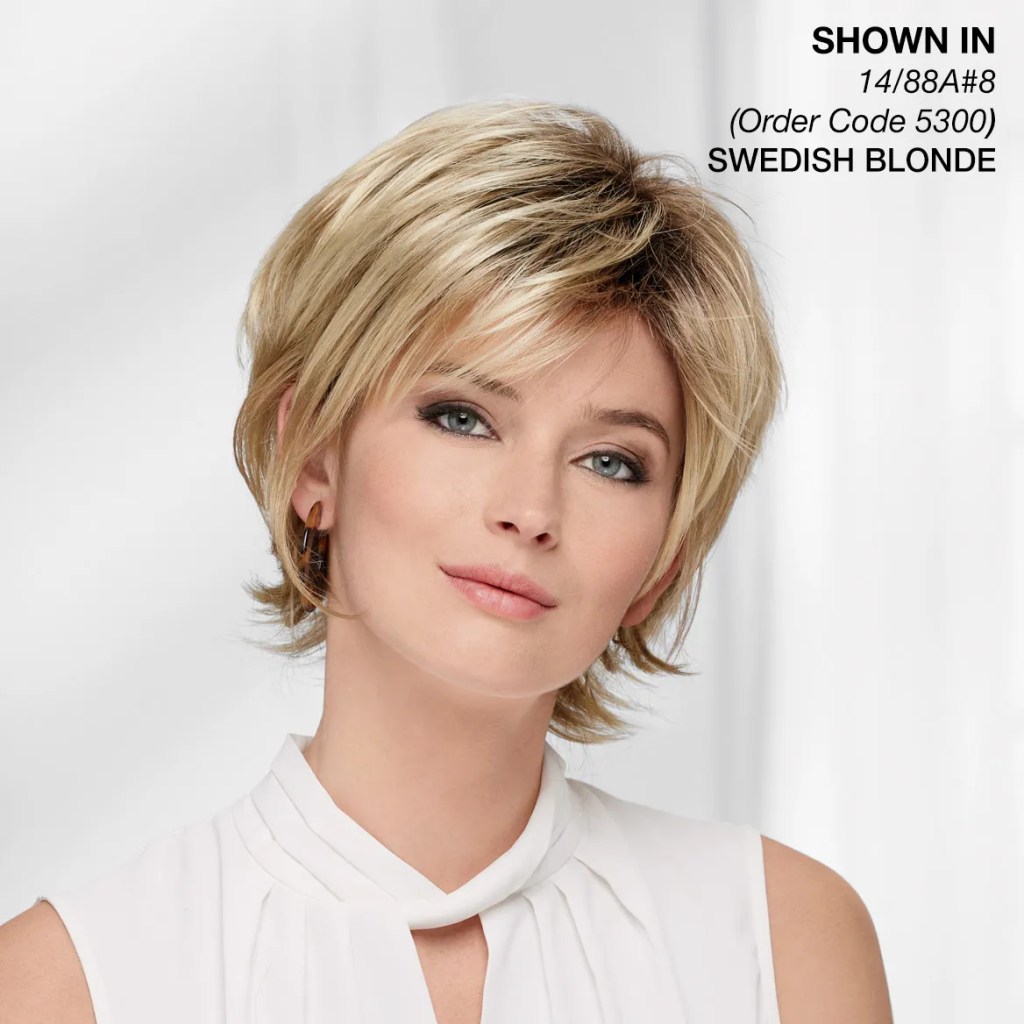
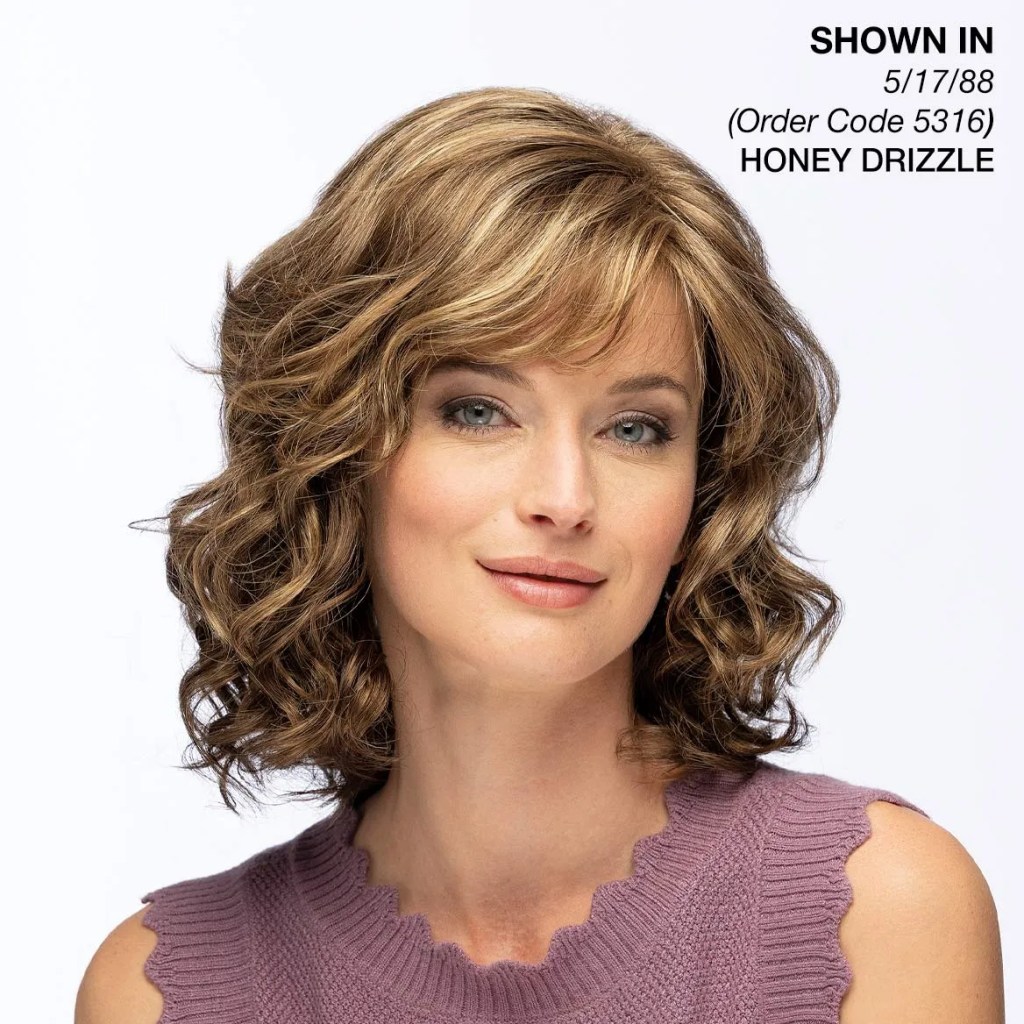
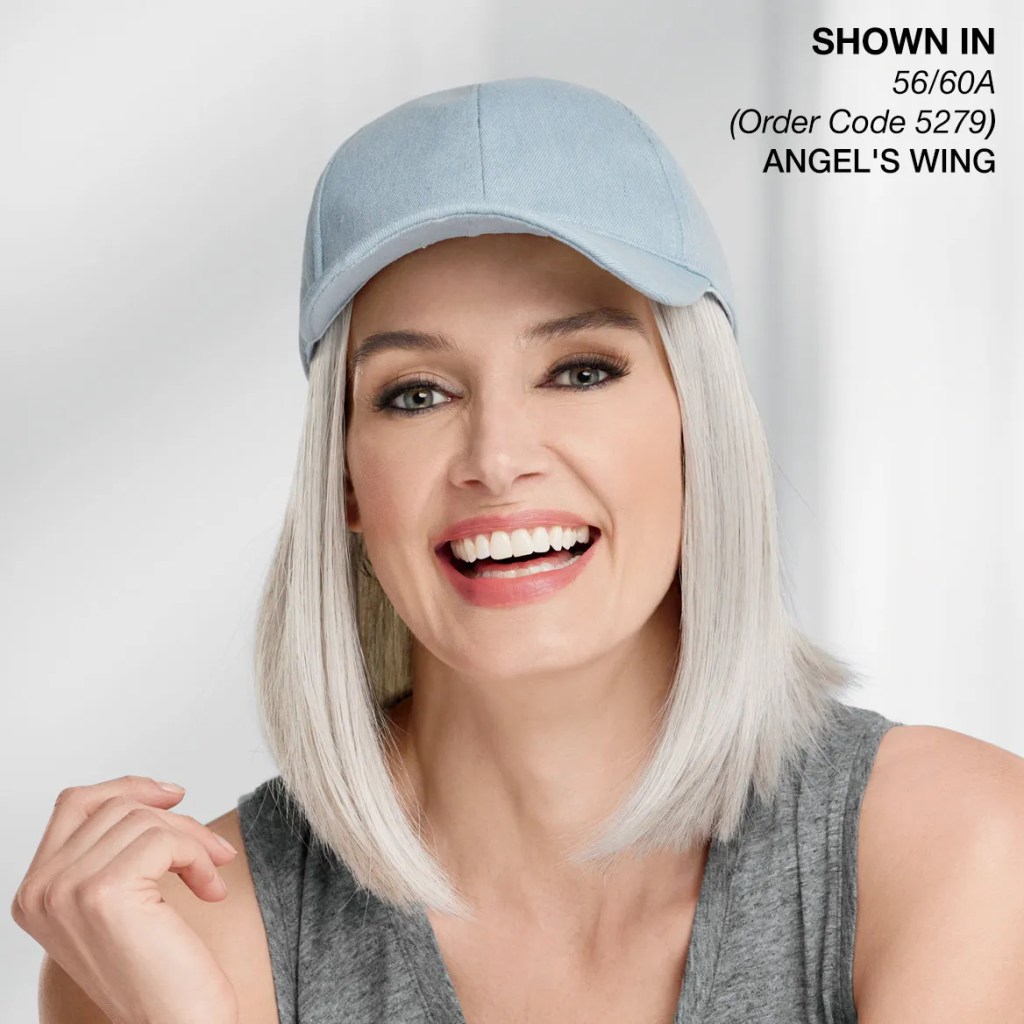
Paula Young carries a wide range of synthetic wigs designed for everyday wear, many of which fall squarely in the budget-friendly range that works well for chemotherapy patients. A few categories worth exploring:
Short Styles Under $100
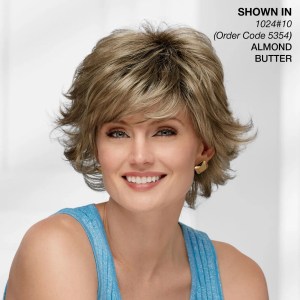
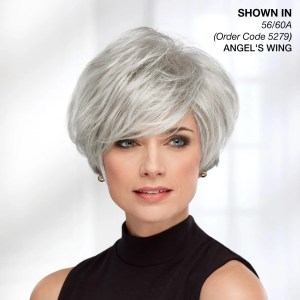
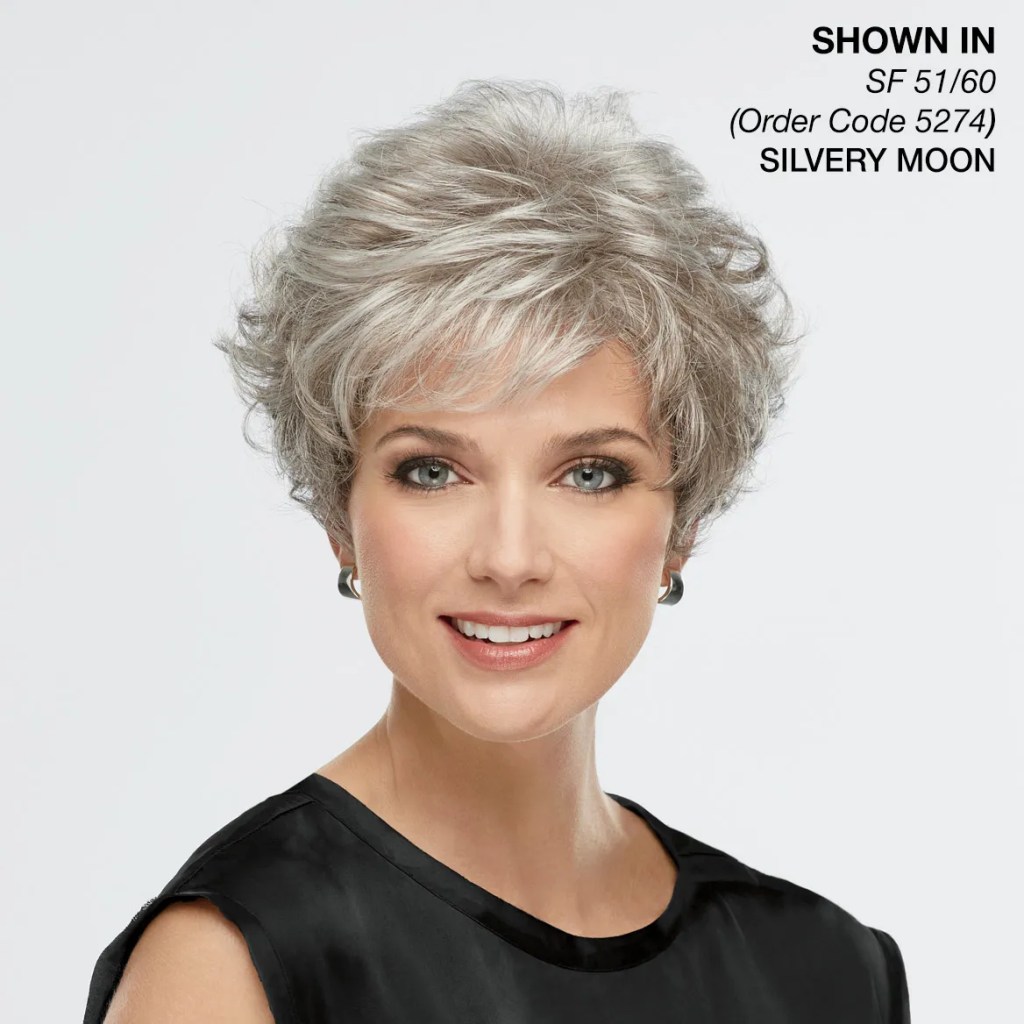
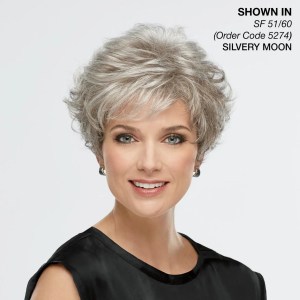
Short wigs are consistently the most practical choice during treatment. They are lighter, cooler, and easier to maintain on days when energy is limited. Paula Young’s short wig collection includes classic cuts, textured pixie styles, and soft layered options, many priced under $75.
What to look for: adjustable cap, open-wefted construction, and a natural neckline finish.
Petite Cap Wigs
For women with a smaller head circumference, or those whose head size has changed during treatment, petite cap wigs offer a more secure, comfortable fit without the need for additional adhesives or grip strips. A looser cap is one of the most common comfort complaints among chemotherapy patients, and a petite fit solves it directly.
Rooted Color Options
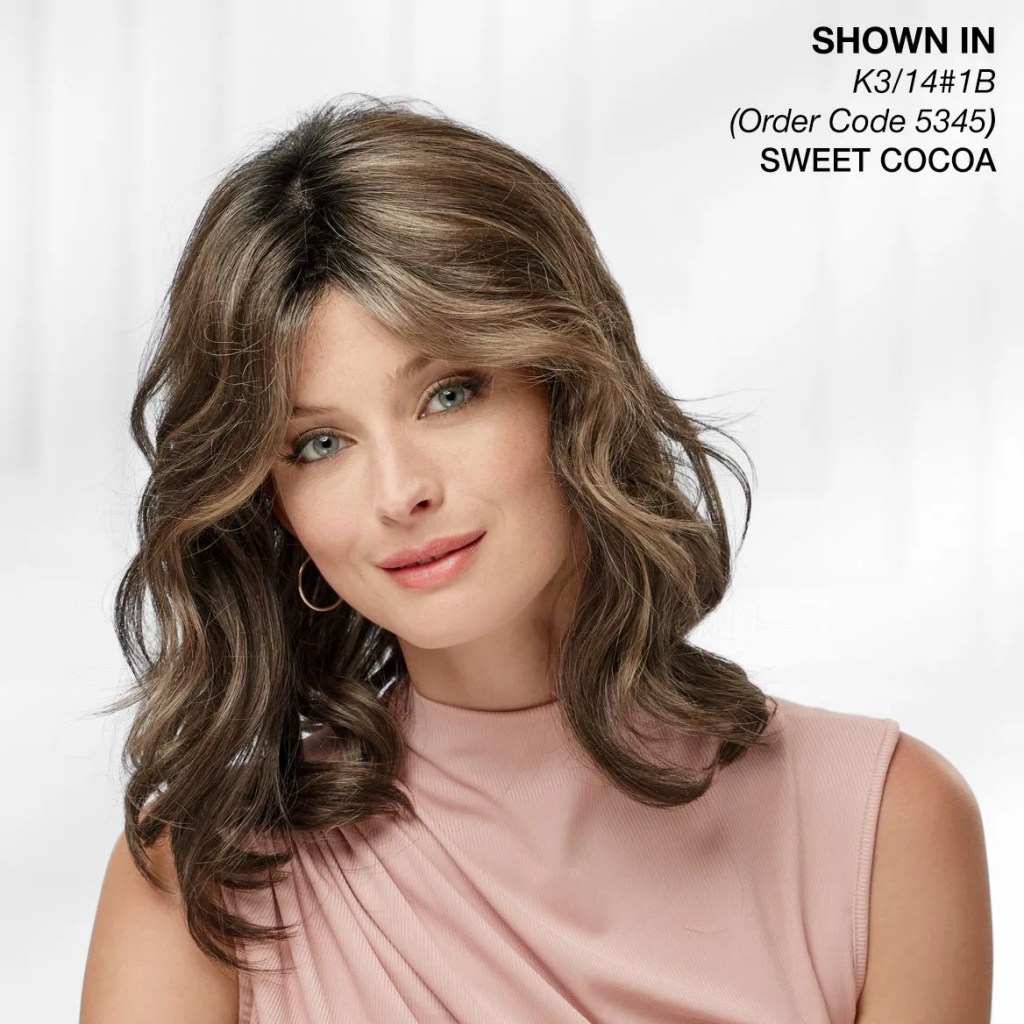
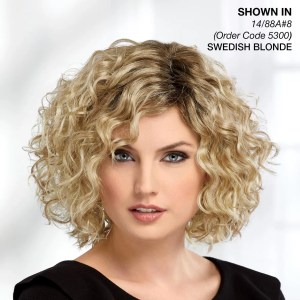
One of the most natural-looking features in affordable synthetic wigs is rooted color, where the roots are slightly darker than the rest of the hair. This detail significantly reduces the “wiggy” look and is now available across many mid-range price points. Paula Young’s rooted collection includes styles across multiple lengths and textures.
Toppers for Partial Hair Loss
Not all chemotherapy patients experience complete hair loss. For those with thinning rather than total loss, hair toppers offer targeted coverage without the commitment of a full wig. Many toppers are available under $100 and clip securely to existing hair.
Note: Free shipping is available on orders over $69 at Paula Young, which makes it practical to order two styles and return whichever fits less well.
Practical Tips for Shopping on a Budget During Treatment
Shopping for a wig while managing chemotherapy is a lot to navigate. These practical strategies help stretch a limited budget without sacrificing quality.
Time Your Purchase
Buy before hair loss begins if possible. Matching your natural color and texture is easier when you can compare directly.
Shop in October to take advantage of Breast Cancer Awareness Month promotions and increased retailer support.
Check clearance and sale sections first. Many excellent styles are discounted simply because they are being phased out of a catalog.
Order Two, Keep One
When shopping online, ordering two similar styles and returning the one that fits less well is a practical approach. Free shipping thresholds (like Paula Young’s $69 minimum) make this strategy more accessible. Most reputable wig retailers have clear return policies for unworn wigs.
Care Extends Lifespan
A synthetic wig that is properly cared for lasts significantly longer than one that is not. Basic care steps:
Wash with wig-specific shampoo every 8 to 10 wears
Air dry on a wig stand rather than with heat
Store on a stand or in a net bag to preserve the style
Avoid sleeping in the wig to reduce fiber stress
The bottom line: a $75 wig that lasts six months with proper care is a far better investment than a $150 wig that is damaged within two months through improper handling.
You Deserve to Feel Like Yourself
Chemotherapy is hard. The financial pressure that comes with it makes everything harder. But finding a wig that makes you feel confident, comfortable, and like yourself does not have to be a luxury.
This Breast Cancer Awareness Month, the most important message is this: support is available, affordable options are real, and you do not have to navigate this alone. Whether you are looking for a short pixie that is easy to manage, a longer style that feels closer to your natural hair, or a topper for partial coverage, there is something within reach.
Explore Paula Young’s full collection of affordable wigs, including styles specifically suited for chemotherapy patients, at paulayoung.com. Free shipping on orders over $69.
If you are supporting someone in treatment, consider sharing this guide. Sometimes the most practical gift is information.
Frequently Asked Questions
Does insurance cover wigs for chemotherapy patients?
Sometimes, yes. Many insurance plans will cover a wig as a “cranial prosthesis” when a physician writes a prescription using that exact term. Coverage varies by plan and state, so the first step is calling your insurer to ask about durable medical equipment (DME) benefits. Keep all receipts regardless of whether your claim is approved upfront; partial reimbursement after the fact is common. An oncology social worker or patient navigator can help you navigate the claims process if it feels overwhelming.
What type of wig is best for a sensitive scalp during chemotherapy?
Look for a wig with an open-wefted cap construction, a soft inner lining (velvet or cotton bands are gentler than raw elastic), and adjustable straps. These features allow airflow, reduce heat buildup, and accommodate changes in head circumference during treatment. Lightweight synthetic styles, particularly shorter cuts, cause the least fatigue and irritation during extended wear.
How much should I expect to spend on a chemotherapy wig?
The $50 to $150 range covers the majority of what chemotherapy patients need for daily wear. Wigs in this tier offer good fiber quality, adjustable caps, and a wide range of styles. Spending more does not automatically mean better comfort or a more natural look. Construction quality and cap design matter far more than price. If budget is very tight, nonprofit programs through organizations like the American Cancer Society and CancerCare can connect patients with free or subsidized options.